
Top 10 Third-Party Pharma Manufacturing Companies in India
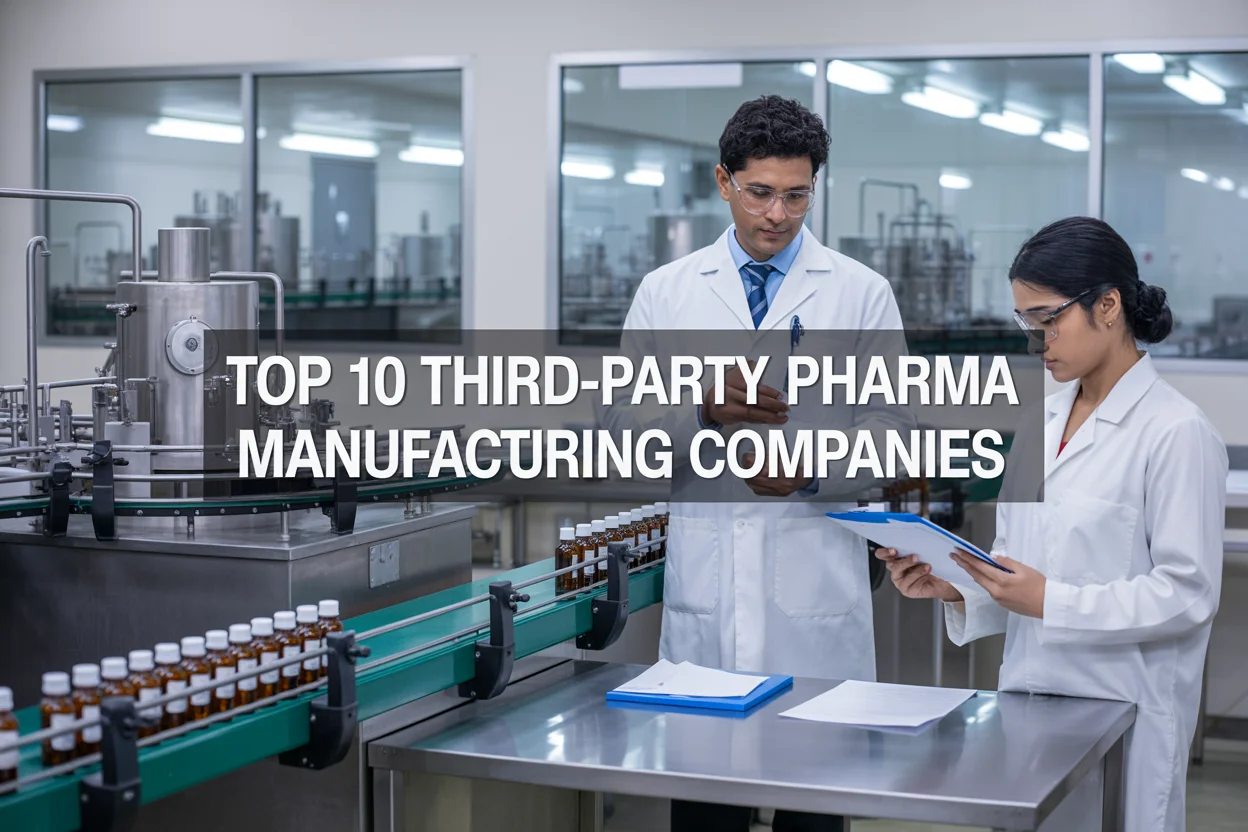
India’s pharmaceutical industry has become a global powerhouse, with third-party manufacturing companies playing a crucial role in making medicines accessible worldwide. This guide is designed for pharmaceutical businesses, startups, and entrepreneurs who need reliable manufacturing partners to scale their operations without heavy capital investments.
Top 10 Third-Party Pharma Manufacturing Companies in India represent the cream of the crop in contract manufacturing, offering everything from basic formulations to complex drug delivery systems. These companies have earned their reputation through consistent quality, competitive pricing, and robust regulatory compliance.
We’ll explore the key selection criteria that separate the best manufacturers from the rest, helping you identify partners who can meet your specific needs. You’ll also get a detailed analysis of each company’s manufacturing capabilities, from tablet production to injectable formulations. Finally, we’ll break down the cost benefits and partnership models these manufacturers offer, so you can make an informed decision that aligns with your business goals and budget.
Understanding Third-Party Pharmaceutical Manufacturing in India

Definition and Business Model Benefits
Third-party pharmaceutical manufacturing represents a strategic outsourcing model where pharmaceutical companies delegate their production processes to specialized contract manufacturers. This approach allows brand owners to focus on core competencies like research, development, and marketing while leveraging the manufacturing expertise of established facilities.
The business model creates win-win scenarios for all stakeholders. Brand owners reduce capital investment in manufacturing infrastructure, minimize operational risks, and gain access to advanced production technologies without substantial upfront costs. Contract manufacturers benefit from consistent order volumes, improved capacity utilization, and diversified revenue streams across multiple clients.
Key advantages include accelerated market entry, as companies can launch products faster without building manufacturing capabilities from scratch. The model also provides flexibility to scale production up or down based on market demand, making it particularly attractive for startups and mid-sized pharmaceutical companies.
Risk mitigation becomes another significant benefit, as manufacturing partners handle regulatory compliance, quality assurance, and supply chain management. This shared responsibility model reduces the burden on brand owners while ensuring products meet stringent quality standards.
Market Size and Growth Opportunities
India’s third-party pharmaceutical manufacturing sector has experienced remarkable growth, with the market valued at approximately $8.2 billion in 2023 and projected to reach $14.5 billion by 2028, representing a compound annual growth rate of 12.1%.
Several factors drive this impressive expansion. The global pharmaceutical industry increasingly seeks cost-effective manufacturing solutions, and India’s competitive pricing structure makes it an attractive destination. The country produces over 50% of global vaccine demand and supplies generic medicines to more than 200 countries worldwide.
Growth opportunities span multiple therapeutic segments, including oncology, cardiovascular, anti-diabetic, and central nervous system medications. The biosimilars market presents particularly promising prospects, with India positioned to capture a significant share of the global biosimilars market expected to reach $69 billion by 2026.
Export potential remains substantial, with Indian pharmaceutical exports contributing over $25 billion annually. The domestic market also shows strong growth, driven by increasing healthcare awareness, expanding insurance coverage, and rising disposable incomes among the middle class.
Emerging trends like personalized medicine, complex generics, and specialized drug delivery systems create new avenues for contract manufacturers willing to invest in advanced capabilities and technologies.
Regulatory Framework and Quality Standards
India’s pharmaceutical regulatory landscape operates under the Central Drugs Standard Control Organization (CDSCO), which ensures manufacturing standards align with international requirements. The regulatory framework encompasses multiple layers of oversight, from central authorities to state-level drug control departments.
Manufacturing facilities must obtain various licenses and certifications, including manufacturing licenses, Good Manufacturing Practice (GMP) certificates, and World Health Organization (WHO) prequalification for export-oriented facilities. The regulatory system emphasizes documentation, process validation, and quality control at every production stage.
International recognition of Indian manufacturing standards has grown significantly. Over 2,000 manufacturing facilities have received US FDA approvals, while thousands more hold European Medicines Agency (EMA) certifications. This regulatory acceptance opens global markets and builds confidence among international clients.
The introduction of the Medical Device Rules 2017 and updated Schedule M guidelines for GMP have strengthened quality assurance protocols. Regular inspections by regulatory authorities ensure continuous compliance and maintain high manufacturing standards.
Recent digitization initiatives, including online application processes and electronic submissions, have streamlined regulatory procedures while maintaining rigorous quality oversight. These improvements reduce approval timelines and enhance transparency in the regulatory process.
Cost Advantages for Global Clients
India offers compelling cost advantages that make it a preferred destination for pharmaceutical outsourcing. Manufacturing costs in India are typically 40-60% lower than developed countries, primarily due to competitive labor costs, efficient production processes, and economies of scale.
Raw material availability at competitive prices contributes significantly to cost savings. India has a well-established active pharmaceutical ingredient (API) manufacturing base, reducing dependency on imports and transportation costs. Local sourcing capabilities help maintain stable pricing despite global market fluctuations.
Skilled workforce availability at competitive wage rates creates substantial labor cost advantages. India’s large pool of qualified chemists, pharmacists, and technical professionals ensures quality output while maintaining cost efficiency. The country produces over 1.5 million engineering graduates annually, providing a continuous talent pipeline for the pharmaceutical sector.
Infrastructure costs remain favorable compared to Western countries. Land acquisition, facility construction, and utility expenses are significantly lower, allowing manufacturers to offer competitive pricing while maintaining healthy profit margins.
The cost benefits extend beyond direct manufacturing expenses. Clients save on capital investment, equipment procurement, regulatory compliance costs, and ongoing facility maintenance. These comprehensive cost advantages enable pharmaceutical companies to improve their profit margins while offering competitive pricing in their target markets.
Currency advantages often provide additional savings for international clients, particularly those from countries with stronger currencies. The rupee’s competitive exchange rate enhances the value proposition for outsourcing partners.
Key Selection Criteria for Top Manufacturing Partners

Manufacturing Capacity and Infrastructure
When evaluating potential manufacturing partners, production capacity stands as the foundation of any successful collaboration. The best third-party manufacturers operate multi-site facilities with scalable production lines that can handle both small batch requirements and large-volume orders. These facilities typically house specialized equipment for tablet manufacturing, capsule filling, liquid formulations, and injectable preparations.
Modern infrastructure includes automated production lines with real-time monitoring systems, ensuring consistent output quality while maintaining efficiency. Top-tier manufacturers invest heavily in temperature-controlled environments, clean rooms meeting international standards, and advanced packaging equipment capable of handling various dosage forms. Storage capabilities matter equally, with climate-controlled warehouses and proper inventory management systems ensuring product integrity throughout the supply chain.
The most reliable partners demonstrate flexibility in their manufacturing approach, offering dedicated production lines for specific clients when needed, while maintaining the ability to adapt to changing market demands. Their facilities undergo regular upgrades to incorporate new technologies and maintain competitive advantages in the rapidly evolving pharmaceutical landscape.
Quality Certifications and Compliance Records
Quality certifications serve as the primary indicators of a manufacturer’s commitment to excellence and regulatory adherence. Leading third-party manufacturers hold multiple certifications including WHO-GMP, ISO 9001:2015, and approvals from international regulatory bodies like USFDA, EMA, and Health Canada. These certifications demonstrate their ability to meet global quality standards and export requirements.
The compliance track record reveals crucial information about operational reliability. Manufacturers with clean regulatory histories show consistent adherence to Good Manufacturing Practices (GMP) and maintain detailed documentation systems. Regular audits by regulatory authorities and successful inspections without major observations indicate robust quality systems.
| Certification Type | Significance | Global Recognition |
|---|---|---|
| WHO-GMP | International quality standards | Worldwide acceptance |
| USFDA Approval | US market access | High credibility |
| EMA Certification | European market entry | Premium quality indicator |
| ISO Standards | Process standardization | Universal recognition |
The best partners maintain comprehensive quality management systems with dedicated teams for regulatory affairs, quality assurance, and pharmacovigilance. They demonstrate proactive approaches to regulatory changes and invest in continuous training programs for their personnel.
Product Portfolio Diversity and Specializations
A diverse product portfolio indicates a manufacturer’s technical expertise and market understanding. Top manufacturing partners offer comprehensive services across multiple therapeutic areas including cardiovascular, anti-diabetic, anti-infective, gastroenterology, and central nervous system medications. This diversity showcases their ability to handle different formulation challenges and manufacturing complexities.
Specialization in specific dosage forms sets exceptional manufacturers apart from average providers. Some excel in complex formulations like sustained-release tablets, others focus on liquid preparations or sterile injectables. The most valuable partners combine broad capabilities with deep expertise in niche areas, allowing them to serve as comprehensive solutions providers while maintaining excellence in specialized products.
Manufacturing partners with strong R&D capabilities offer additional value through formulation development services, bioequivalence studies, and new product development support. They maintain dedicated teams for analytical method development and stability studies, ensuring their clients can bring innovative products to market efficiently.
The ability to handle both generic and branded formulations demonstrates versatility and market awareness. These manufacturers understand different quality requirements, packaging specifications, and regulatory pathways for various market segments, making them ideal partners for companies with diverse product strategies.
Detailed Analysis of Leading Manufacturing Companies

Company Profiles with Manufacturing Strengths
India’s pharmaceutical manufacturing landscape features several powerhouse companies that have carved distinct niches through specialized expertise and strategic positioning. Cipla stands out with its respiratory and anti-retroviral manufacturing capabilities, operating state-of-the-art facilities that produce complex inhalers and life-saving HIV medications for global markets. Their manufacturing prowess extends across 40+ countries, with specialized units dedicated to sterile injectable production.
Dr. Reddy’s Laboratories has built exceptional strength in oncology and biosimilar manufacturing, operating advanced facilities with specialized containment systems for handling potent compounds. Their API manufacturing capabilities span multiple therapeutic areas, with particular expertise in complex generics and peptide synthesis.
Aurobindo Pharma dominates the penicillin manufacturing space, controlling significant global market share through backward integration and raw material sourcing advantages. Their manufacturing network includes dedicated beta-lactam facilities with stringent cross-contamination controls.
Lupin excels in complex oral solid dosage forms and has developed particular strength in respiratory drug delivery systems. Their manufacturing facilities feature advanced granulation technologies and specialized coating capabilities for modified-release formulations.
Sun Pharmaceutical Industries leverages its dermatology and ophthalmology manufacturing expertise, operating specialized facilities for topical formulations and sterile eye drops. Their manufacturing processes incorporate unique delivery technologies for enhanced bioavailability.
Production Capabilities and Annual Output
The production scale of leading Indian pharmaceutical manufacturers reflects their global ambitions and technological sophistication. Manufacturing capacities vary significantly based on therapeutic focus and market positioning.
| Company | Annual Production Volume | Key Product Categories | Manufacturing Sites |
|---|---|---|---|
| Cipla | 50+ billion units | Respiratory, ARVs, Oncology | 46+ facilities globally |
| Dr. Reddy’s | 40+ billion units | Oncology, Biosimilars, APIs | 20+ manufacturing sites |
| Aurobindo | 35+ billion units | Penicillin, Generics, ARVs | 15+ facilities |
| Lupin | 30+ billion units | Respiratory, CNS, Generics | 14+ manufacturing units |
| Sun Pharma | 45+ billion units | Dermatology, Ophthalmology | 25+ facilities |
Production capabilities extend beyond volume metrics to include sophisticated manufacturing technologies. These companies operate multi-product facilities capable of producing tablets, capsules, injectables, and specialized dosage forms simultaneously. Advanced automation systems enable batch sizes ranging from clinical trial quantities to commercial-scale production exceeding 100 million units annually for high-volume products.
Manufacturing flexibility allows rapid scale-up from pilot batches to full commercial production within 6-12 months. Companies maintain dedicated capacity for handling high-potency APIs, with containment levels meeting stringent international safety standards.
International Market Presence and Client Base
Global reach defines the success of India’s leading pharmaceutical manufacturers, with established presence across regulated and emerging markets. These companies have built robust international networks through strategic partnerships, acquisitions, and organic expansion.
Cipla maintains manufacturing operations across South Africa, Brazil, and the United States, serving customers in over 80 countries. Their client base includes major global pharmaceutical companies seeking manufacturing partnerships for respiratory products and complex generics. Government health programs represent significant revenue streams, particularly for ARV manufacturing contracts.
Dr. Reddy’s has established strong footholds in the US generics market through dedicated manufacturing facilities meeting FDA standards. European operations focus on specialty pharmaceuticals and biosimilars, with partnerships spanning Germany, Belgium, and the UK. Their client portfolio includes biotech companies seeking manufacturing services for complex molecules.
Aurobindo’s international presence centers on the US market, where they rank among top generic suppliers. Their European operations target penicillin-based products, leveraging manufacturing cost advantages and regulatory expertise. Major retail pharmacy chains and hospital systems form core customer segments.
Manufacturing partnerships with multinational corporations have become increasingly common, with Indian companies providing development and manufacturing services for patented drugs approaching patent expiry. These relationships often evolve into long-term strategic alliances encompassing multiple product categories.
Technology Adoption and Innovation Focus
Technological advancement drives competitive differentiation among India’s pharmaceutical manufacturers, with investments concentrated in process optimization, digitalization, and advanced manufacturing techniques. Industry leaders have embraced continuous manufacturing technologies, reducing production timelines and improving product consistency.
Process analytical technology (PAT) implementation enables real-time monitoring and control of critical quality parameters during manufacturing. Advanced data analytics platforms integrate production data across multiple sites, enabling predictive maintenance and quality optimization. Machine learning algorithms identify process deviations before they impact product quality.
Continuous manufacturing systems have been implemented for high-volume products, reducing production costs by 20-30% while improving product uniformity. These systems integrate raw material feeding, blending, granulation, and tablet compression into seamless production lines with minimal human intervention.
Serialization technologies ensure product traceability throughout the supply chain, meeting regulatory requirements across global markets. Track-and-trace systems integrate with customer databases, enabling rapid response to quality concerns or regulatory inquiries.
Innovation focus areas include nanotechnology applications for enhanced drug delivery, 3D printing for personalized dosing, and green chemistry initiatives reducing environmental impact. Research and development partnerships with academic institutions accelerate technology transfer and skill development.
Quality Control Systems and Certifications
Quality assurance frameworks implemented by leading pharmaceutical manufacturers exceed regulatory minimum requirements, incorporating risk-based approaches and international best practices. Comprehensive quality systems ensure product safety, efficacy, and consistency across global markets.
Regulatory certifications demonstrate commitment to quality excellence and market access capabilities. Leading companies maintain approvals from major regulatory agencies including FDA, EMA, MHRA, and TGA. Regular inspections and maintenance of good manufacturing practice (GMP) compliance require continuous investment in facility upgrades and staff training.
Quality control laboratories operate sophisticated analytical equipment including high-performance liquid chromatography (HPLC), mass spectrometry, and nuclear magnetic resonance (NMR) systems. These facilities conduct stability testing, impurity profiling, and dissolution studies supporting product registration and lifecycle management.
Risk management systems identify potential quality threats throughout the manufacturing process, from raw material sourcing to finished product distribution. Statistical process control techniques monitor critical quality attributes, triggering investigations when parameters deviate from established limits.
Supplier qualification programs ensure raw material quality and supply chain integrity. Vendor audits, material testing protocols, and supplier scorecards maintain quality standards across the entire supply network. Change control procedures govern modifications to manufacturing processes, ensuring regulatory compliance and product quality maintenance.
Specialized Manufacturing Services and Capabilities

Formulation Development and Custom Manufacturing
Top-tier third-party pharmaceutical manufacturers in India excel at creating customized formulations that meet specific client requirements. These companies house experienced teams of formulators, chemists, and pharmaceutical scientists who work closely with clients to develop products from concept to market-ready solutions.
The formulation development process typically begins with understanding the therapeutic requirements, target market preferences, and regulatory constraints. Companies like Cipla, Sun Pharma, and Dr. Reddy’s Laboratories have invested heavily in R&D facilities that can handle complex formulation challenges, including sustained-release tablets, combination therapies, and specialized dosage forms.
Custom manufacturing capabilities extend beyond standard oral solid dosages to include:
- Injectable formulations including sterile vials, ampoules, and pre-filled syringes
- Topical preparations such as creams, ointments, and transdermal patches
- Liquid dosage forms including syrups, suspensions, and oral solutions
- Specialized delivery systems like enteric-coated tablets and modified-release capsules
Many manufacturers maintain dedicated pilot plants for scale-up studies, allowing clients to test formulations at various production volumes before committing to full-scale manufacturing. This approach minimizes risk and ensures optimal product performance when transitioning from development to commercial production.
Packaging Solutions and Private Labeling Options
Indian third-party manufacturers offer comprehensive packaging solutions that go far beyond basic bottling and blister packaging. These companies understand that packaging plays a crucial role in product differentiation, patient compliance, and market success.
Modern packaging facilities are equipped with state-of-the-art machinery capable of handling various packaging formats:
| Packaging Type | Common Applications | Special Features |
|---|---|---|
| Blister Packs | Tablets, Capsules | Child-resistant, senior-friendly designs |
| Bottles | Liquids, Bulk solids | Tamper-evident, UV protection |
| Sachets | Powders, Granules | Moisture barrier, easy-tear options |
| Pre-filled Syringes | Injectables | Safety mechanisms, precise dosing |
| Unit Dose Packaging | Hospital supplies | Sterile, single-use formats |
Private labeling services allow clients to market products under their own brand names while leveraging the manufacturer’s production expertise. This includes custom label design, artwork development, and compliance with local labeling regulations across different markets. Many manufacturers maintain in-house design teams that work with clients to create packaging that reflects their brand identity while meeting regulatory requirements.
Several companies also offer innovative packaging solutions like smart packaging with QR codes for product authentication, temperature-sensitive labels for cold-chain products, and eco-friendly packaging materials to meet sustainability goals.
Research and Development Support Services
Leading third-party manufacturers in India have transformed from simple contract manufacturers into full-service partners offering extensive R&D support. These services span the entire product lifecycle, from initial concept development through post-market surveillance and product optimization.
R&D support services typically include:
Analytical Method Development: Creating and validating analytical methods for raw materials, in-process testing, and finished product analysis. This includes stability testing protocols, dissolution method development, and bioanalytical method validation.
Regulatory Support: Assistance with regulatory filings, including preparation of Common Technical Documents (CTD), responses to regulatory queries, and compliance with international standards like FDA, EMA, and WHO-GMP requirements.
Clinical Trial Support: Some larger manufacturers offer clinical research services, including protocol development, site management, and regulatory submission support for Phase I through Phase III studies.
Technology Transfer: Comprehensive services for transferring existing formulations from one facility to another, including process optimization, scale-up studies, and validation activities.
The R&D infrastructure at top companies includes sophisticated analytical laboratories equipped with HPLC, GC-MS, FTIR spectroscopy, and dissolution testing equipment. Many facilities also maintain specialized testing capabilities for specific product categories, such as sterility testing for injectables or bioequivalence studies for generic products.
Innovation centers within these organizations focus on developing next-generation drug delivery systems, including nanotechnology-based formulations, targeted drug delivery systems, and personalized medicine applications. This forward-thinking approach helps clients stay competitive in rapidly evolving pharmaceutical markets.
Geographic Distribution and Manufacturing Hubs

Major Pharmaceutical Clusters in India
India’s pharmaceutical manufacturing landscape is strategically concentrated across several key regions, each offering unique advantages. Gujarat leads the charge with cities like Ahmedabad, Vadodara, and Ankleshwar forming a robust industrial belt. This region houses over 3,000 pharmaceutical units and accounts for nearly 33% of India’s total drug production. The state’s business-friendly policies and excellent infrastructure make it a preferred destination for third-party manufacturers.
Hyderabad, often called “Cyberabad,” has evolved into India’s pharmaceutical capital, hosting major companies like Dr. Reddy’s, Aurobindo Pharma, and Hetero Drugs. The city’s Genome Valley spans over 650 acres and provides world-class facilities for drug research and manufacturing. Andhra Pradesh and Telangana together contribute approximately 40% of India’s pharmaceutical exports.
Maharashtra’s Pune-Mumbai corridor represents another significant cluster, with companies like Serum Institute, Lupin, and Wockhardt establishing major operations here. The region benefits from proximity to major ports and a skilled workforce from prestigious institutions like the University of Pune.
Karnataka’s Bangalore has emerged as a biotechnology and pharmaceutical hub, focusing on innovative drug development and contract research. The state government’s supportive policies have attracted both domestic and international players.
Other notable clusters include Baddi in Himachal Pradesh, known for cost-effective manufacturing, and Sikkim, which offers attractive tax incentives for pharmaceutical companies.
Export-Oriented Manufacturing Zones
Special Economic Zones (SEZs) and Export Promotion Industrial Parks (EPIPs) play a crucial role in India’s pharmaceutical export strategy. The Jawaharlal Nehru Port Trust (JNPT) SEZ near Mumbai serves as a major export gateway, with several pharmaceutical companies establishing manufacturing units to leverage duty-free imports and streamlined export procedures.
The Visakhapatnam SEZ in Andhra Pradesh focuses heavily on pharmaceutical exports, offering companies significant tax benefits and simplified regulatory processes. Companies operating from this zone enjoy 100% export obligation benefits and can import raw materials duty-free.
Chennai’s pharmaceutical SEZ has attracted numerous third-party manufacturers specializing in sterile products and active pharmaceutical ingredients (APIs). The zone’s proximity to Chennai Port ensures efficient logistics for international shipments.
Gujarat’s Kandla SEZ has become a preferred destination for pharmaceutical companies targeting Middle Eastern and African markets. The zone offers excellent connectivity through Kandla Port and provides comprehensive support services for export-oriented manufacturing.
The government’s “Make in India” initiative has further strengthened these export zones by providing additional incentives and infrastructure development, making them attractive options for third-party pharmaceutical manufacturing partnerships.
Proximity to Raw Material Suppliers
Strategic location near raw material suppliers significantly impacts manufacturing costs and supply chain efficiency. Gujarat’s chemical industry cluster provides easy access to key pharmaceutical intermediates and APIs, reducing transportation costs and ensuring steady supply chains. The state produces over 70% of India’s chemicals, making it an ideal location for pharmaceutical manufacturing.
Andhra Pradesh and Telangana benefit from their proximity to bulk drug manufacturers and API producers. The region has developed a comprehensive ecosystem where raw material suppliers, intermediate manufacturers, and finished dosage form producers work in close coordination.
Maharashtra’s established chemical industry in areas like Thane and Raigad provides pharmaceutical manufacturers with easy access to solvents, excipients, and other essential materials. This proximity reduces inventory costs and enables just-in-time manufacturing approaches.
The eastern states, particularly West Bengal and Odisha, are emerging as cost-effective manufacturing destinations due to their proximity to coal-based power plants and chemical industries. These regions offer competitive advantages for companies looking to optimize their raw material sourcing strategies.
Regional supplier networks have also developed around major manufacturing clusters, creating synergistic relationships that benefit third-party manufacturers through reduced costs, improved quality control, and enhanced supply security.
Logistics and Distribution Networks
India’s pharmaceutical logistics infrastructure has evolved significantly, with dedicated cold chain facilities and specialized transportation networks supporting third-party manufacturers. The Golden Quadrilateral highway network connects major manufacturing hubs with key markets and ports, ensuring efficient distribution across the country.
Mumbai and Chennai serve as primary pharmaceutical export hubs, handling over 60% of India’s pharmaceutical exports. These ports offer specialized pharmaceutical cargo handling facilities, temperature-controlled warehouses, and streamlined customs procedures for international shipments.
The development of inland container depots (ICDs) in cities like Bangalore, Hyderabad, and Ahmedabad has reduced logistics costs and transit times for landlocked manufacturing facilities. These facilities provide customs clearance and cargo consolidation services, making exports more efficient for third-party manufacturers.
Air cargo networks through major airports in Delhi, Mumbai, Chennai, and Bangalore support time-sensitive pharmaceutical shipments, particularly for high-value products and temperature-sensitive biologics. Dedicated pharmaceutical cargo terminals ensure compliance with Good Distribution Practices (GDP).
Last-mile delivery networks have also strengthened, with specialized pharmaceutical distributors and logistics companies providing temperature-controlled transportation and real-time tracking systems. Companies like Blue Dart, Gati, and Delhivery have developed pharmaceutical-specific logistics solutions that support third-party manufacturers in reaching diverse markets efficiently.
The integration of digital technologies, including IoT sensors for temperature monitoring and blockchain for supply chain transparency, has further enhanced the reliability and efficiency of pharmaceutical distribution networks across India.
Quality Standards and Regulatory Compliance

FDA and WHO-GMP Certifications
FDA approval stands as the gold standard for pharmaceutical manufacturing companies looking to establish credibility in global markets. Top-tier third-party manufacturers in India maintain multiple FDA-registered facilities, with many holding Type II Drug Master Files (DMFs) for active pharmaceutical ingredients and finished dosage forms. These certifications require rigorous documentation of manufacturing processes, quality control procedures, and facility infrastructure.
WHO-GMP certification provides another layer of validation, particularly valuable for companies targeting emerging markets and developing countries. The World Health Organization’s Good Manufacturing Practice guidelines ensure that products meet international safety and efficacy standards. Leading Indian manufacturers typically hold both WHO-GMP and Pharmaceutical Inspection Convention and Pharmaceutical Inspection Co-operation Scheme (PIC/S) certifications.
Companies like Cipla, Lupin, and Dr. Reddy’s maintain multiple FDA-inspected facilities across different therapeutic segments. These certifications aren’t one-time achievements – they require continuous compliance monitoring, regular re-inspections, and constant updates to manufacturing protocols as regulations evolve.
International Quality Audits and Approvals
Regular third-party audits from international regulatory bodies validate manufacturing standards beyond basic certifications. European Medicines Agency (EMA) inspections, Health Canada approvals, and Australian Therapeutic Goods Administration (TGA) certifications demonstrate global compliance capabilities.
Major pharmaceutical companies conduct their own vendor audits before establishing partnerships. These comprehensive evaluations examine everything from raw material sourcing to final product packaging. Successful manufacturers maintain audit readiness year-round, with dedicated compliance teams managing documentation and process improvements.
International quality audits often focus on:
- Risk management systems and deviation handling procedures
- Change control protocols for manufacturing processes
- Environmental monitoring and contamination control measures
- Supply chain qualification and vendor management
- Data integrity and electronic records management
Product Testing and Quality Assurance Protocols
Comprehensive testing protocols form the backbone of pharmaceutical quality assurance. Leading manufacturers operate state-of-the-art analytical laboratories equipped with advanced instruments like HPLC, GC-MS, and dissolution testing apparatus. These facilities conduct stability studies, bioequivalence testing, and impurity profiling to ensure product consistency.
Quality assurance extends beyond final product testing to include raw material qualification, in-process monitoring, and environmental controls. Real-time release testing capabilities allow manufacturers to reduce lead times while maintaining quality standards. Many companies invest in automated testing systems that minimize human error and increase throughput capacity.
Batch release procedures typically involve multi-level review processes, with qualified persons (QPs) providing final approval based on comprehensive testing data. Trending analysis and statistical process control help identify potential quality issues before they impact production schedules or product quality.
Cost Benefits and Pricing Structures

Manufacturing Cost Comparisons with Global Markets
India’s third-party pharmaceutical manufacturing sector offers dramatic cost advantages compared to developed markets. Manufacturing costs in India typically run 40-60% lower than similar facilities in the United States or Western Europe. These savings come from several key factors: lower labor costs, reduced regulatory compliance expenses, and significantly cheaper raw material sourcing.
Labor costs represent one of the most substantial differences. A skilled pharmaceutical technician in India earns approximately $3,000-5,000 annually, while their counterpart in the US commands $35,000-50,000. This wage differential extends across all skill levels, from entry-level operators to senior quality control specialists.
Raw material procurement presents another major advantage. India’s robust chemical industry and proximity to active pharmaceutical ingredient (API) manufacturers create competitive sourcing opportunities. Generic drug manufacturers can source APIs at 20-30% lower costs compared to importing from international suppliers.
| Cost Component | India | USA | Europe |
|---|---|---|---|
| Labor (per hour) | $2-4 | $25-35 | $30-40 |
| Utilities | $0.08/kWh | $0.12/kWh | $0.15/kWh |
| Regulatory compliance | Low-Medium | High | Very High |
| Raw materials | 70-80% of global price | 100% baseline | 90-110% |
Energy costs also favor Indian manufacturers, with electricity rates averaging 30-40% below those in developed countries. This becomes particularly significant for energy-intensive processes like tablet compression, coating operations, and sterile manufacturing.
Flexible Pricing Models and Volume Discounts
Leading third-party manufacturers in India have developed sophisticated pricing structures that adapt to different client needs and production volumes. Most companies offer tiered pricing models that reward larger order quantities with progressively better rates.
Volume-based pricing typically follows these structures:
- Tier 1 (100,000-500,000 units): Standard pricing
- Tier 2 (500,000-2 million units): 8-12% discount
- Tier 3 (2-10 million units): 15-20% discount
- Tier 4 (10+ million units): 22-30% discount
Many manufacturers also provide seasonal pricing adjustments and long-term contract incentives. Annual contracts often secure 5-10% additional discounts, while multi-year agreements can yield savings of 15-25% over spot pricing.
Risk-sharing models have gained popularity, where manufacturers offer reduced upfront costs in exchange for profit-sharing arrangements on successful products. This approach particularly appeals to startups and smaller pharmaceutical companies with limited initial capital.
Payment terms vary significantly based on client relationships and order volumes. Established clients with strong credit histories often secure 60-90 day payment terms, while new partnerships might require 30% advance payments with the balance due upon delivery.
Hidden Cost Considerations and Total Value Proposition
While India’s headline manufacturing costs appear attractive, several hidden expenses can impact the total cost of ownership. Shipping and logistics represent significant considerations, particularly for time-sensitive products or temperature-controlled formulations.
International shipping costs from India to major markets range from $2-8 per kilogram, depending on urgency and special handling requirements. Cold chain logistics for temperature-sensitive products can add 40-60% to standard shipping rates.
Quality assurance and regulatory compliance create additional cost layers. International clients often require third-party audits, additional testing protocols, and enhanced documentation systems. These requirements can add 8-15% to base manufacturing costs but remain essential for maintaining global market access.
Currency fluctuation risks also affect long-term pricing stability. The Indian rupee’s volatility against major currencies can impact contract pricing, though many manufacturers offer hedging arrangements to minimize this exposure.
Insurance and intellectual property protection costs vary widely based on product complexity and target markets. Specialized liability coverage for pharmaceutical exports typically costs 0.5-2% of order value.
Communication and project management expenses shouldn’t be overlooked. Time zone differences between India and Western markets often require additional coordination efforts, potentially adding 2-5% to project costs through extended communication cycles and duplicate oversight requirements.
Despite these considerations, India’s total value proposition remains compelling. The combination of cost savings, manufacturing expertise, and regulatory compliance capabilities typically delivers 35-50% total cost advantages compared to domestic manufacturing in developed markets.
Partnership Models and Collaboration Opportunities

Contract Manufacturing Agreements
Contract manufacturing serves as the foundation for third-party pharma collaborations in India. These agreements typically involve pharmaceutical companies outsourcing their production requirements to specialized manufacturers while retaining ownership of their formulations and brand identity. The contracts can range from simple toll manufacturing arrangements where companies provide raw materials and receive finished products, to comprehensive agreements covering everything from procurement to packaging.
Most Indian manufacturers offer flexible contract terms that accommodate both short-term production runs and large-scale commercial manufacturing. These agreements often include provisions for capacity allocation, quality specifications, delivery schedules, and pricing mechanisms. Companies can negotiate volume-based pricing tiers, minimum order quantities, and seasonal production adjustments to optimize their manufacturing costs.
The legal framework for these contracts typically addresses intellectual property protection, confidentiality clauses, and regulatory compliance responsibilities. Many manufacturers also provide value-added services like regulatory filing support, stability studies, and method development as part of their contract manufacturing packages.
Long-term Strategic Partnerships
Building strategic partnerships goes beyond traditional contract manufacturing relationships. These collaborations involve deeper integration between pharmaceutical companies and manufacturers, often spanning multiple years with shared business objectives and risk-reward structures.
Strategic partnerships frequently include exclusive manufacturing arrangements for specific product lines or therapeutic areas. Partners work together on product development, process optimization, and market expansion strategies. This model allows pharmaceutical companies to benefit from the manufacturer’s technical expertise while providing manufacturers with predictable revenue streams and business growth opportunities.
Many successful partnerships involve joint investment in manufacturing infrastructure, technology upgrades, and regulatory certifications. Partners often establish dedicated production lines, implement shared quality systems, and develop integrated supply chain management processes. These relationships typically feature performance-based incentives, profit-sharing mechanisms, and collaborative decision-making structures.
The partnership model also enables companies to leverage each other’s market presence and distribution networks, particularly valuable for expanding into new geographic markets or therapeutic segments.
Technology Transfer and Licensing Options
Technology transfer represents a critical component of pharmaceutical collaborations in India. This process involves transferring manufacturing processes, analytical methods, and quality control procedures from the originator company to the manufacturing partner. Indian manufacturers have developed sophisticated capabilities for receiving and implementing complex technology transfers.
The technology transfer process typically includes comprehensive documentation review, process validation, method verification, and regulatory compliance alignment. Manufacturers often provide dedicated project teams with expertise in formulation development, process engineering, and regulatory affairs to ensure smooth technology implementation.
Licensing arrangements allow Indian manufacturers to produce patented or proprietary formulations under specific terms and conditions. These agreements can include exclusive or non-exclusive licensing rights, territorial restrictions, and royalty payment structures. Some manufacturers also offer reverse licensing opportunities where they license their proprietary technologies or improved processes back to partner companies.
Technology transfer timelines vary based on product complexity but typically range from 6-18 months for standard formulations. Manufacturers often provide guarantees for successful technology transfer completion and ongoing technical support throughout the product lifecycle.
Joint Venture Possibilities
Joint ventures represent the most integrated form of collaboration between pharmaceutical companies and Indian manufacturers. These partnerships involve shared ownership, joint investment, and collaborative management of manufacturing operations or business ventures.
Common joint venture structures include shared manufacturing facilities, co-development programs, and market-specific partnerships. Partners typically contribute complementary assets such as manufacturing expertise, market access, financial resources, or proprietary technologies. The venture agreements outline governance structures, profit-sharing arrangements, and exit mechanisms.
Joint ventures often focus on specific therapeutic areas, geographic markets, or product categories. For example, international pharmaceutical companies might partner with Indian manufacturers to establish local production capabilities for the domestic market while leveraging cost advantages for global supply.
These partnerships can also extend to research and development collaborations, where partners jointly develop new formulations, delivery systems, or manufacturing processes. The shared investment model allows companies to pursue opportunities that might be financially challenging individually while distributing risks and rewards proportionally.
Success factors for joint ventures include aligned strategic objectives, compatible corporate cultures, clear governance frameworks, and well-defined intellectual property arrangements. Many joint ventures also incorporate provisions for technology sharing, cross-licensing agreements, and collaborative marketing initiatives.

India’s third-party pharmaceutical manufacturing landscape offers incredible opportunities for businesses looking to scale their operations efficiently. The top companies in this sector bring together world-class facilities, strict quality standards, and cost-effective solutions that make them attractive partners for both domestic and international brands. From specialized manufacturing capabilities to comprehensive regulatory compliance, these manufacturers have proven they can deliver high-quality products while maintaining competitive pricing structures.
Choosing the right manufacturing partner comes down to understanding your specific needs and matching them with a company’s strengths. Whether you need specialized formulations, particular geographic coverage, or specific partnership models, the leading manufacturers in India provide flexible solutions that can adapt to your business goals. Take the time to evaluate potential partners based on their track record, certifications, and ability to support your long-term growth plans.